
Why Is Pericarditis & Perihepatitis Fatal? How Bacteriophages Eliminate Visceral Lesions in Poultry
—— Pioneering a New Era of Lesion Resolution and Halting Avian Colisepticemia

In modern poultry farming, mention of "pericarditis and perihepatitis" (frequently described by producers as "encapsulated heart and liver") sends shivers down any producer's spine. Opening the abdominal cavity of a fallen bird to find the heart and liver tightly enshrouded in a thick, yellowish, foul-smelling fibrinous "caseous" pseudomembrane signals full-blown systemic colisepticemia. Seasonal shifts in autumn, marked by abrupt temperature swings, represent peak vulnerability windows. These lesions not only trigger disastrous spikes in mortality, but also precipitate catastrophic collapses in feed conversion efficiency (FCR) and surges in processing condemnation rates, inflicting severe economic losses. As conventional antibiotics falter against multi-drug resistant superbugs, how does Avian Pathogenic Escherichia coli (APEC) orchestrate this visceral devastation, and through what precise biocontrol mechanisms do bacteriophages eliminate these severe internal lesions?
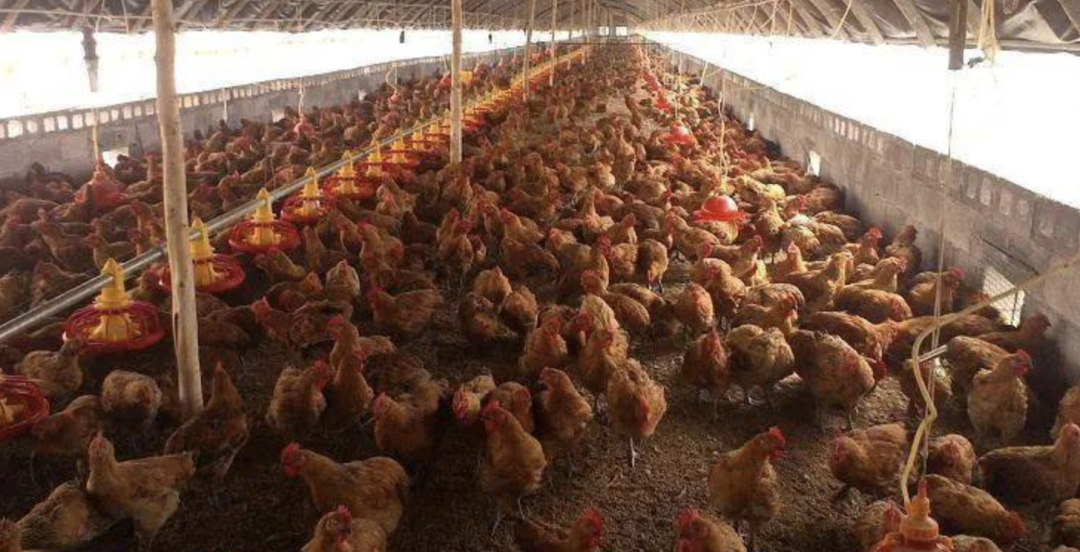 Figure 1: Phage Journal Issue 37 explores pathogenesis of poultry fibrinous lesions and phage-driven resolution
1. Etiological Tracing: How "Pericarditis & Perihepatitis" Develops Step by Step
"Encapsulated heart and liver" is not an isolated disease entity, but rather the classic hallmark of systemic bacteremia triggered by Avian Pathogenic Escherichia coli (APEC)—pathologically classified as fibrinous pericarditis and fibrinous perihepatitis.
The invasion and progressive destruction orchestrated by APEC resembles a meticulously coordinated "blitzkrieg":
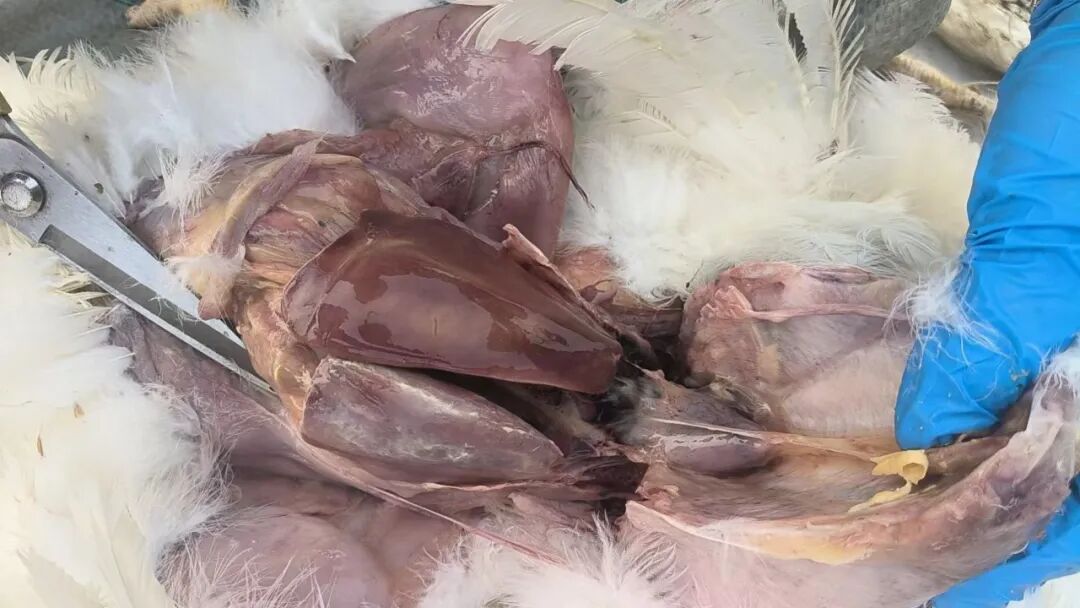 Figure 2: Gross necropsy exhibiting thick fibrinous pseudomembranes encapsulating heart and liver surfaces
1. Colonization & Mucosal Breach (Respiratory / Intestinal Infiltration)
The avian respiratory apparatus features specialized air sacs characterized by extremely thin walls, scarce vascularization, and relatively fragile local immunity. Under large autumn diurnal temperature swings, inadequate ventilation, ammonia build-up, or concurrent infection by Mycoplasma or infectious bronchitis virus, respiratory mucosa and air sacs suffer micro-abrasions. Environmental dust-borne APEC colonizes the air sacs, precipitating severe airsacculitis (气囊炎). Concurrently, compromised intestinal barriers enable translocation of enteric APEC strains into systemic circulation.
2. Hematogenous Dissemination & Septic Shock (Vascular Barrier Breakthrough)
Colonized APEC leverages potent virulence armaments—including Type 1 and P fimbriae, aerobactin siderophores, and serum resistance factors—to adhere, penetrate epithelial junctions, and flood directly into bloodstream circulation. Resistant to serum bactericidal cascades, APEC replicates vigorously in blood, igniting acute bacteremia and septic shock.
3. Endotoxin Storm & Pseudomembrane Formation (Massive Fibrin Exudation)
Explosive bacterial lysis unleashes vast quantities of lipopolysaccharide (LPS) endotoxins, damaging microvascular endothelial integrity and causing uncontrolled vascular hyperpermeability. Fibrinogen-rich plasma gushes into serous cavities surrounding the pericardium and hepatic capsule. Triggered by tissue coagulants, fibrinogen polymerizes into insoluble fibrin strands. Layer upon layer of dense fibrinous exudate solidifies into a tough, yellowish-white fibrous pseudomembrane that binds the heart and liver in a suffocating grip.
2. Clinical Symptoms, High Mortality, and Catastrophic Economic Losses
Constricted by dense fibrinous deposits, cardiac pump action is throttled and hepatic metabolic clearance collapses, manifesting in severe flock-wide distress:
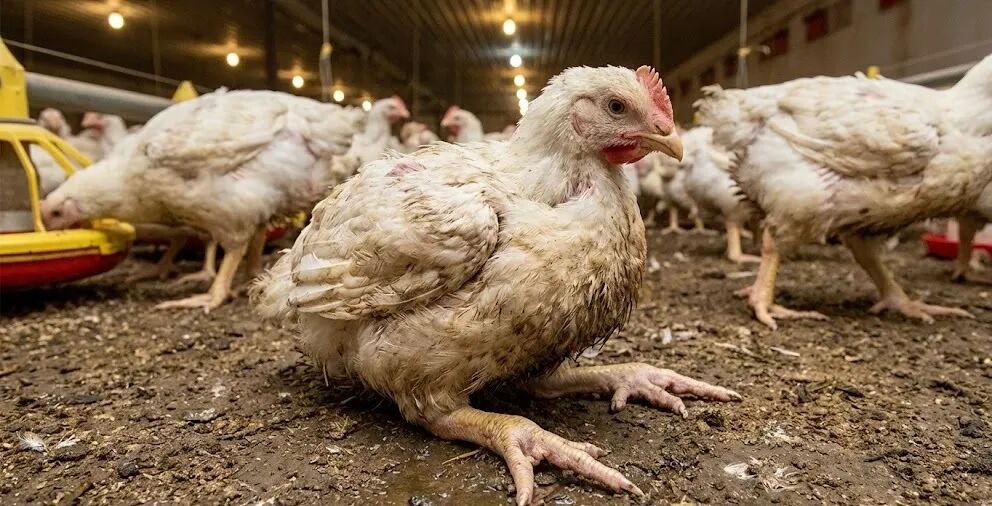 Figure 3: Sick birds exhibit severe lethargy, huddled posture, drooped wings, and respiratory distress
1. Hallmark Clinical Signs
- Prostration and Inappetence: Extreme lethargy, ruffled unkempt feathers, drooping wings, closed eyes with retracted necks, and huddled clustering. Feed and water consumption drop abruptly, causing rapid emaciation.
- Severe Respiratory Compromise: Driven by concurrent airsacculitis and congestive heart failure, birds display labored open-mouth gasping, with audible rales and tracheal wheezing during nocturnal inspections.
- Profuse Diarrhea and Cyanosis: Watery yellowish-green or chalky-white diarrhea heavily soiling vent feathers. Poor peripheral perfusion produces prominent cyanosis of the comb and wattles.
2. Mortality and Disease Trajectory
Acute colisepticemia strikes rapidly. In conventional broiler operations, baseline mortality ranges between 5% and 20%. However, under coinfection with Newcastle Disease Virus (NDV), low-pathogenic avian influenza (H9), or infectious bursal disease (IBD), acute mortality easily spikes to 30%–50% or higher, threatening total commercial collapse.
3. Multi-Faceted Economic Carnage
- Soaring Feed Conversion Ratios (FCR): Surviving birds frequently deteriorate into runts with crippled absorption, consuming feed without weight gain and eroding producer margins.
- Processing Plant Carcass Condemnations: In commercial poultry abattoirs, internal organ pathology from colibacillosis represents the leading cause of whole-carcass condemnations. Subclinically infected birds reaching slaughter age are rejected and discarded upon post-mortem inspection. In severely affected batches, condemnation rates exceed 5%, destroying weeks of capital investment.
3. The Conventional Dilemma: Superbugs Foil Antibiotic Therapy
Historically, producers relied on mass in-feed or in-water dosing of antibiotics such as amoxicillin, florfenicol, or colistin. Today, this therapeutic paradigm is failing catastrophically.
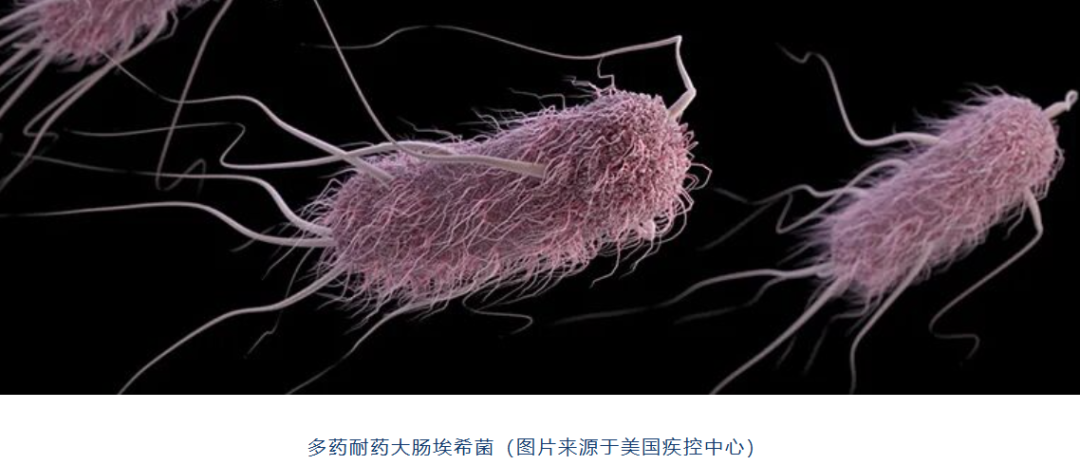 Figure 4: Recent genomics reveal rising multi-drug resistant APEC superbugs (left), while drinking water phage cocktails deliver 0% mortality and complete macroscopic lesion clearance (right)
A landmark genomic study published in Frontiers in Microbiology (January 2026) revealed that across clinical APEC isolates, multi-drug resistant (MDR) strains have reached 35.59%, with extended-spectrum β-lactamase (ESBL) producers accounting for 11.97% alongside emerging carbapenem-resistant (CRE) superbugs.
Cloaked beneath dense fibrinous pseudomembranes deep within visceral organs, these pathogens remain completely shielded from therapeutic antibiotic concentrations. Furthermore, resistant plasmids are readily shared with zoonotic pathogens such as Salmonella, endangering global human medicine.
4. The Phage Breakthrough: How Bacteriophages Eliminate Internal Lesions
Confronting this veterinary dead end, bacteriophages—nature's exquisitely evolved bacterial predators—offer definitive biocontrol advantages across three decisive mechanisms:
🎯 1. Receptor-Specific Targeting & Lysis
Acting as biological guided missiles, phage tail fibers identify specific surface antigens on virulent E. coli. Upon genome injection and viral replication, phage-encoded holins and endolysins physically shatter the bacterial peptidoglycan wall from within, decimating AMR strains without cross-resistance.
🔄 2. Halting Endotoxins to Reverse Fibrin Exudate
Fibrinous pseudomembranes represent pathology sustained by endotoxin-mediated vascular damage. By neutralizing deep systemic APEC, LPS release ceases instantly, stabilizing vessel walls. Host macrophages switch from inflammation to clearance mode, enzymatically reabsorbing and dissolving fibrinous deposits until organ architecture normalizes.
💧 3. Barrier Translocation via Drinking Water
Nanoscale architecture allows phages to traverse mucosal epithelial barriers via receptor-mediated transcytosis into systemic circulation. Oral drinking water delivery swiftly achieves protective concentrations across the heart, liver, air sacs, spleen, and bursa of Fabricius.
📊 Hard Evidence: Complete Lesion Resolution & 0% Mortality via Drinking Water (2026 Study)
In February 2026, an international research team led by Mawra Gohar published groundbreaking trials evaluating oral administration of a high-titer bacteriophage cocktail delivered through standard drinking water (DW) systems against systemic lethal APEC challenge in laying hens:
- Mortality Reversed to 0%: In laying hens challenged intravenously with lethal doses of APEC, untreated control cohorts suffered 20% to 70% mortality. Hens receiving the oral phage cocktail via drinking water achieved an astonishing 0% mortality.
- Complete Macroscopic Lesion Clearance: While untreated controls exhibited severe malodorous fibrinous pericarditis, perihepatitis, and airsacculitis, birds in the drinking water phage cohort demonstrated a macroscopic pathology score of 0 (complete lesion absence), accompanied by major reductions in splenic and hepatic histopathology inflammation indices.
- Zero Commensal Disruption: Metagenomic sequencing verified that oral phage administration exerted zero adverse impact on total core cecal microbiome diversity, safeguarding digestive wellness and flock productivity.
References
- Lu C. Z. Discussion on pathogenesis and control of poultry pericarditis, perihepatitis, and peripneumonitis. Northern Animal Husbandry, 2013, (8): 23.
- Lu Q, Jin X, Wang Z, Zhang R, Guo Y, Hu Q, Zhang W, Zhang T, Luo Q. Genomic characterization of APEC phages and evaluation of the efficacy in reducing the loads of APEC O78 infections in chickens. Front Microbiol. 2026 Jan 29;17:1670169. doi: 10.3389/fmicb.2026.1670169. PMID: 41695946; PMCID: PMC12895675.
- Gohar M, et al. Oral administration of a bacteriophage cocktail via drinking water mitigates systemic Escherichia coli infections in laying hens. Veterinary Research, 2026 Feb.
Eliminating "pericarditis and perihepatitis" no longer necessitates escalating antibiotic dosages. By harnessing evolutionary biology, Shandong New-Line Biotechnology Co., Ltd. builds upon a proprietary repository of 60,000+ characterized phage strains and 6 modern fermentation production lines to deliver multi-valent phage cocktails guaranteeing 99% purity. Together, we provide the poultry industry with a robust, sustainable biological defense perimeter.



Shandong New-Line Biotechnology Co., Ltd.
Dedicated to industrial phage R&D and applications across agriculture and animal health, delivering global-leading green antimicrobial solutions.
Hotline: 0536-2201616 / +86-536-2201616
Websites: phages.cn / phages.biz